
Home » HDPE Sheet Colors: Options, Standards, and Selection
HDPE Sheet Colors: Options, Standards, and Selection
- Author: Balance Lee
- 9+ Years of Manufacturing
HDPE sheets are available in a variety of colors, including black, white, blue, green, red, yellow, gray, and custom colors developed according to specific project requirements. However, HDPE color selection is not simply a choice of appearance. The pigments added during production can influence factors such as UV resistance, color stability, and long-term outdoor performance.
This guide will explain how HDPE colors are developed, how pigments affect sheet performance, the difference between standard and custom colors to help you choose the right color for your projects.
Table of Contents
Is HDPE Color Only Cosmetic?
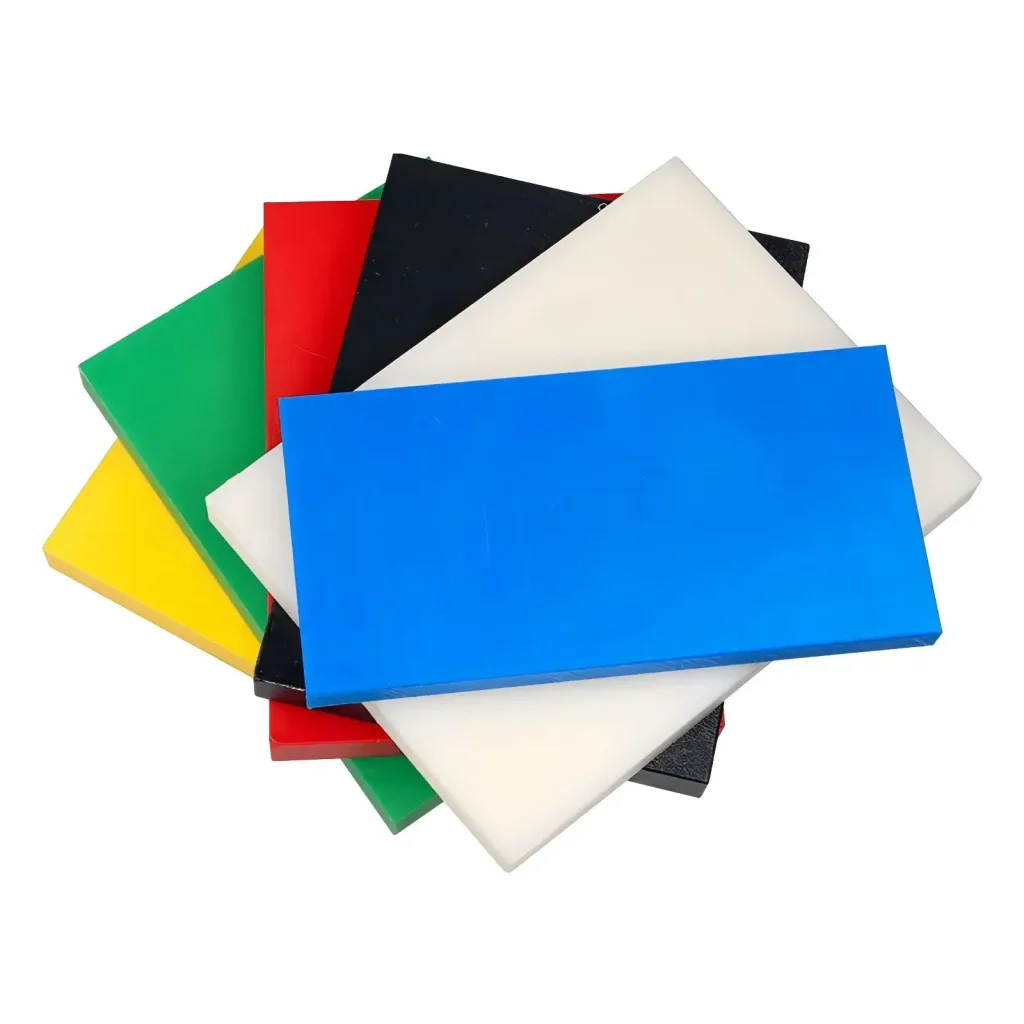
For HDPE sheets, color is not only a visual choice. In many industrial applications, the selected color is closely related to product identification, working conditions, maintenance requirements, and long-term performance.
For example, black HDPE sheets are widely selected for outdoor applications, wear liners, and heavy-duty components because black pigments can provide better protection against visible aging caused by sunlight and surface wear. White or natural HDPE sheets are often preferred in food processing environments where operators need to clearly observe surface cleanliness and contamination risks.
Color also helps improve workplace management. In factories, different colors may be used to separate equipment areas, identify different material grades, or match a company’s visual standards. For custom fabricated parts, the color can make finished components easier to recognize during installation and maintenance.
From our production experience, the color decision should be made together with the application requirements. A visually attractive color may not always be the most practical option for outdoor exposure, frequent cleaning, or high-wear environments. Selecting the right HDPE color means balancing appearance, performance, and the actual working conditions.
How Do Pigments Affect HDPE Performance?
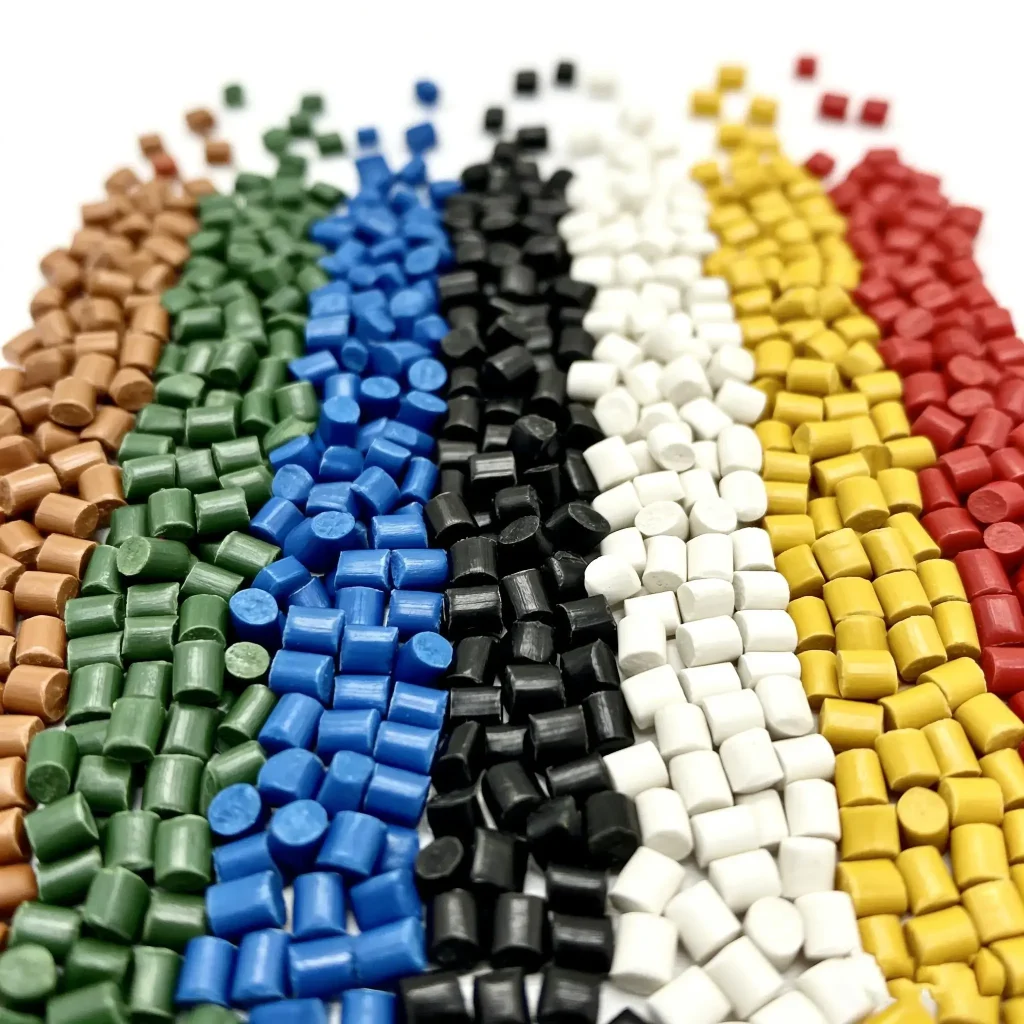
The pigments used in HDPE sheets do more than create different colors. During production, pigments are mixed into the HDPE resin and become part of the material structure, which means they can influence properties such as UV resistance, color stability, and surface appearance over time.
One of the most noticeable effects is outdoor durability. Black HDPE sheets often contain carbon black, which is widely recognized for its ability to improve resistance against ultraviolet (UV) exposure. For applications such as outdoor equipment, marine components, ground protection systems, and industrial liners, this additional UV protection helps maintain the sheet’s appearance and service performance during long-term exposure.
Colored HDPE sheets, including blue, green, red, and yellow options, rely on different pigment formulations to achieve stable colors. The quality and concentration of pigments can affect how well the color remains consistent after years of sunlight, temperature changes, and repeated cleaning. A high-quality pigment system helps reduce fading and keeps the finished product closer to its original appearance.
In our manufacturing experience, pigment selection should be based on the sheet’s intended environment, not just the desired color. For outdoor applications, we normally consider pigment quality together with UV stabilization to help maintain color consistency over long-term exposure.
However, pigments are only one part of HDPE sheet performance. The base resin quality, UV stabilizers, production process, and intended application all influence the final result. From our manufacturing experience, selecting a color should consider the working environment first, especially for outdoor or high-demand applications where long-term stability matters more than the initial appearance.
How Should Buyers Specify an HDPE Sheet Color?
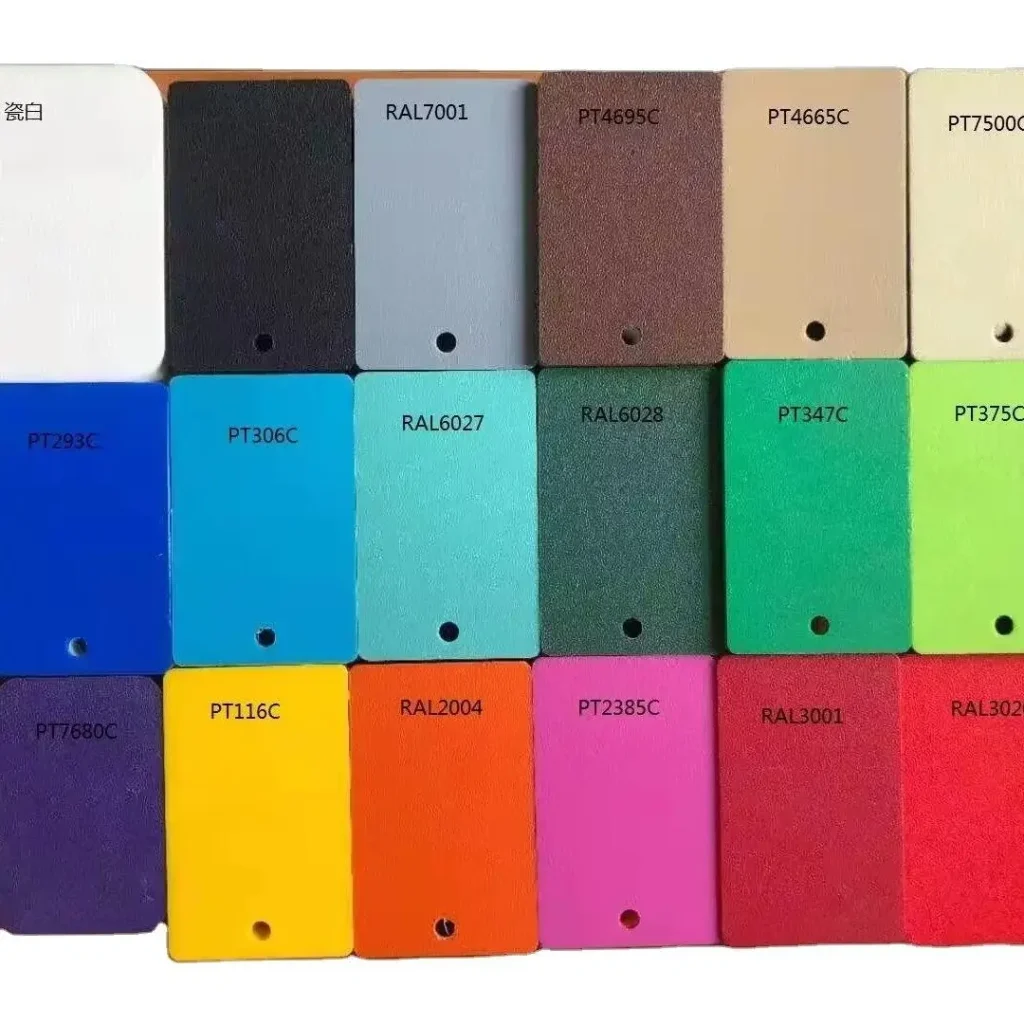
When ordering colored HDPE sheets, specifying only a color name may not be enough. Terms such as “blue,” “green,” or “dark gray” can have different interpretations between suppliers, especially when the color needs to match existing equipment, brand standards, or previous production batches.
A more accurate color specification should include a recognized color reference whenever possible. RAL numbers, Pantone codes, or a physical color sample provide a clearer basis for production. For example, instead of requesting “industrial gray,” a buyer can provide a specific RAL color or send an approved sample for comparison.
In addition to the color itself, buyers should also confirm several details before production:
- Color standard: RAL, Pantone, customer sample, or supplier reference sample
- Material requirement: virgin HDPE, recycled content, or a specific grade
- Application environment: indoor, outdoor, food contact, chemical exposure, or high-wear conditions
- Surface requirement: smooth, textured, matte, or other finishes
From our experience, color confirmation is most effective when it happens before mass production. For large orders or projects requiring multiple batches, keeping an approved color sample as the production reference can help reduce differences caused by lighting conditions, raw material variations, or manufacturing cycles.
Standard Color or Custom Color: Which Is More Economical?
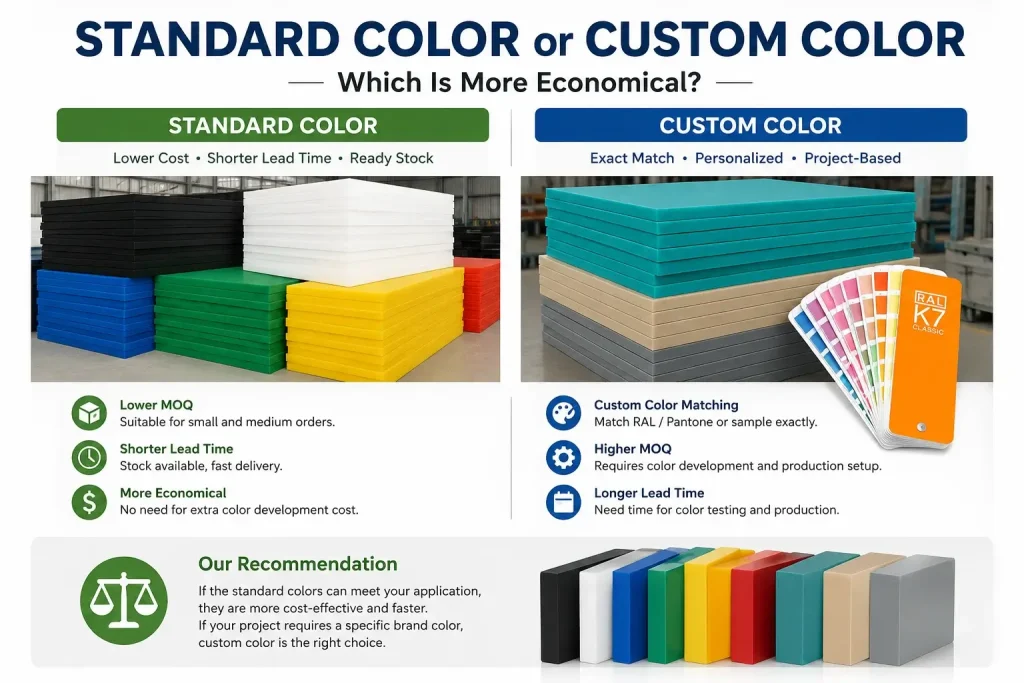
When selecting an HDPE sheet color, standard colors are not always the lowest-cost choice, and custom colors are not always more expensive. The actual cost depends on order quantity, production requirements, color matching process, and whether the selected color is already available in regular production.
Standard colors such as black, white, blue, green, and yellow are easier to arrange because they are part of regular production planning. For smaller orders, choosing an existing color can help reduce setup time, minimize material preparation, and avoid additional color matching costs. For example, a buyer ordering several sheets for CNC machining or replacement parts may find standard colors more practical and cost-effective.
Custom colors become more attractive when appearance consistency or brand requirements are important. If a project requires a specific RAL color, a company’s brand color, or matching with existing equipment, the additional color development cost may be reasonable when spread across a larger quantity. In many production cases, the cost difference becomes smaller as the order volume increases.
From our experience, the best choice is not simply the cheapest color option, but the color that fits the project requirements without creating unnecessary costs. Before confirming a custom color, buyers should consider the expected quantity, future repeat orders, and whether the color needs to remain consistent across multiple production batches.
Buyer Tip:
If the color is not related to branding or special identification, we recommend a standard HDPE color. For larger projects, investing in a custom color can be worthwhile when appearance consistency is important.
How Do You Control Color Consistency Between Batches?
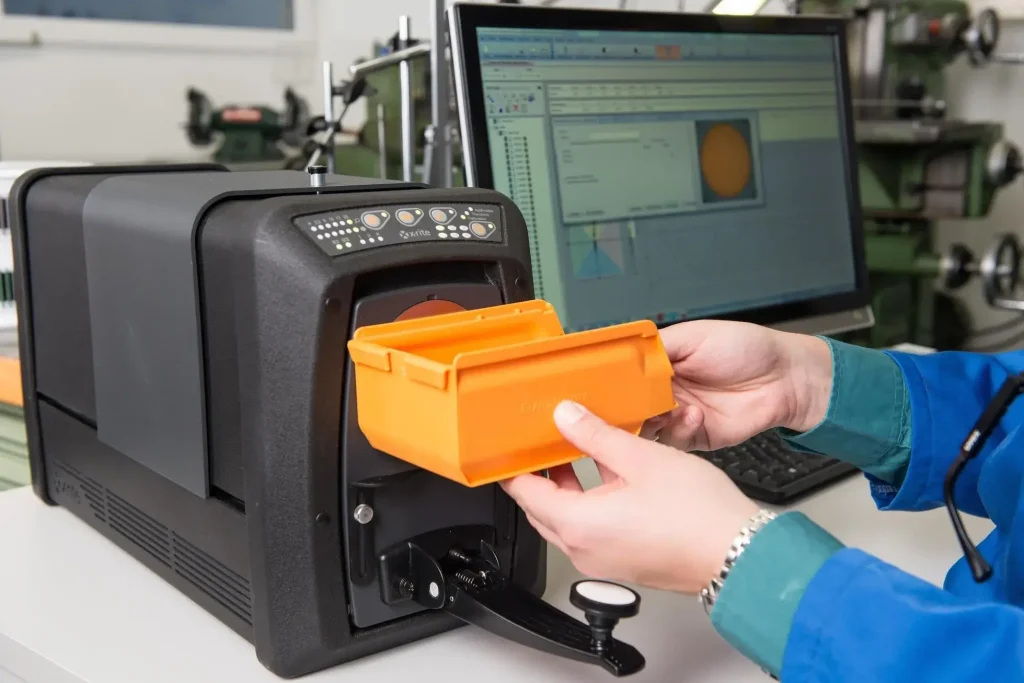
Color consistency between HDPE batches is controlled at several points, not just by checking the finished sheet. In our production, we work from the approved color reference backward: the pigment formula is recorded, dosing is controlled during mixing, and the first sheets from a new run are checked before the full batch continues.
In HDPE production, we pay close attention to three variables that can influence color consistency between batches: resin batch, pigment dosage, and surface finish. Even when the same color masterbatch is used, changing the resin source or switching from a smooth surface to a textured finish can make the color look different under the same light.
Our Color Control Process
Here is how we control color during HDPE sheet production. You can take it as a reference for your own project.
1. Lock the color reference
For a standard color, we record the color code and formulation. For a custom color, we keep the approved physical sample or confirmed RAL/Pantone reference together with the production record.
2. Control pigment dosing
The masterbatch ratio is weighed according to the confirmed formulation rather than adjusted by visual judgment during production. For colors that are sensitive to small formulation changes, the dosing record is retained for repeat orders.
3. Check the first production sheets
Before continuing a full batch, the first sheets are compared with the approved reference. We check them under the same lighting condition and on the same surface finish; otherwise, gloss and texture can distort the visual comparison.
4. Measure when tighter control is required
For projects where color matching is critical, visual inspection can be supported by color-difference measurement. A project-specific ΔE tolerance can be agreed before production; for tighter industrial matching, a target around ΔE ≤ 2.0–3.0 can be used as a practical reference, depending on the color, surface texture, and customer requirement.
5. Keep a reference for the next batch
For repeat orders, the approved sample and production formulation are retained as the reference for the next run. This is especially useful when the second order is produced several months after the first.
One detail we have learned from repeat HDPE orders is that surface finish should not be ignored during color approval. We have seen the same formulation appear darker on a smooth sheet and lighter or less saturated on a textured sheet simply because the surfaces reflect light differently. For this reason, when a customer needs close batch-to-batch matching, we prefer to approve the color on the same sheet surface and material grade that will be used for mass production.
The goal is not to promise that two production runs will be visually identical under every condition. It is to define the reference, control the variables that matter, and agree on an acceptable color tolerance before production starts.
Which Color Fits Each Application?
There is no single “best” color for HDPE sheets. The better choice depends on what matters in the application—cleanliness, outdoor exposure, wear visibility, part identification, or appearance. Based on the HDPE projects we have worked with, the table below provides a practical starting point for color selection.
| Application | Suggested Colors | What to Consider |
|---|---|---|
| Food Processing & Cutting Boards | White, Natural, Blue, Green, Red, Yellow | Easy visual inspection; colors can separate processing areas or uses |
| Outdoor Equipment | Black, Gray | Sun exposure, dirt, scratches, and long-term appearance |
| Ground Protection Mats | Black, Gray | Dirt is less visible; practical for repeated outdoor use |
| Wear Liners & Chute Linings | Black, Natural | Wear visibility and working environment matter more than appearance |
| CNC Parts & Machine Components | Blue, Green, Red, Yellow, Custom | Different colors can identify parts, sizes, or equipment groups |
| Marine Applications | Black, White, Blue | UV exposure, surrounding equipment, and visual requirements |
| Water Treatment Equipment | Blue, White, Gray, Black | Inspection needs and matching with existing equipment |
| Branded Finished Products | Custom RAL / Pantone Colors | Brand identity and repeat-order color consistency |
Color decisions become clearer when they are tied to the actual working environment. One of our projects with a bakery customer in Singapore is a good example: the customer chose white for oversized HDPE cutting boards, not for decoration, but for a practical reason in daily food preparation.
Case Study: Custom Oversized White PE Cutting Boards for a Singapore Bakery
Case Study: Custom O
What Should Be Included in a Colored HDPE RFQ?
A good RFQ for colored HDPE should give the supplier enough information to price the sheet correctly the first time. In practice, the most important points are not complicated: color reference, sheet size, thickness, quantity, material requirement, surface finish, and application.
For color, avoid writing only “blue” or “green” when the shade matters. A RAL code, Pantone reference, approved sample, or previous batch sample gives a much clearer production target. If the color is only decorative and a close standard shade is acceptable, say that too—it may reduce cost and shorten lead time.
The RFQ should also include the exact sheet dimensions and thickness. For example, 2000 × 1000 × 20 mm, 80 sheets is far more useful than “20 mm HDPE sheet.” If several sizes are needed, list them separately rather than combining them into one total quantity.
Material and surface requirements should be stated in the same way. Buyers can specify virgin HDPE, recycled content, food-contact grade, UV-stabilized material, smooth surface, matte finish, or textured surface where relevant. These details can affect both the formulation and production route.
One detail we pay close attention to is the application. A sheet used for a CNC-machined machine part may have different color and surface priorities from a sheet used outdoors or in food processing. Even one short line such as “for outdoor equipment exposed to sunlight” can help the supplier avoid quoting the wrong material option.
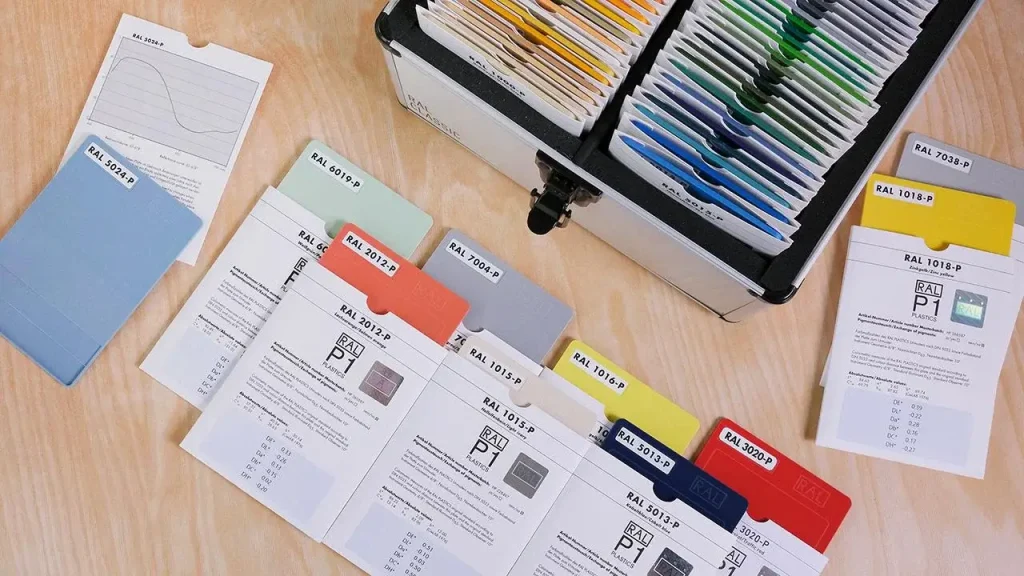
A practical colored HDPE RFQ can be as simple as this:
Color: RAL 5015
Size: 2000 × 1000 mm
Thickness: 15 mm
Quantity: 120 sheets
Material: Virgin HDPE, UV stabilized
Surface: Smooth both sides
Application: Outdoor machine guards
Color tolerance: Match approved sample / project tolerance if required
Delivery: Required by 15 October
That level of detail is enough for most suppliers to check material, production feasibility, MOQ, and lead time without several rounds of follow-up questions.
One thing we’ve learned:
Do not choose the color before deciding what you need to see on the sheet. In some projects, hiding dirt matters; in others, seeing contamination, wear, or the wrong part at a glance matters more. That question can help you narrow the color choice quickly.
FAQs
Does Black HDPE Last Longer Outdoors?
Yes. Black HDPE is selected for many outdoor applications because carbon black can improve resistance to UV exposure. In outdoor polyethylene formulations, 2–3% carbon black is used as a reference range for improving UV stability, depending on the resin grade and additive system.
With a suitable outdoor-grade formulation, black HDPE can achieve a service life measured in many years, and 10–20 years can be used as a general reference range for some outdoor applications. However, actual performance depends on sunlight intensity, temperature, thickness, mechanical load, and working environment.
From our experience, color alone does not determine outdoor durability. Resin grade, UV stabilization, sheet thickness, and application conditions should be considered together.
Can HDPE Sheets Be Color-Matched to a Brand?
Yes. HDPE sheets can be matched to a RAL code, Pantone reference, or approved physical sample. For brand projects, a physical sample is the most reliable reference because screen displays, printing methods, surface finish, and lighting conditions can affect color perception.
For repeat orders, keeping the approved sample and production records helps improve batch consistency. When tighter control is required, buyers and suppliers can agree on a project-specific tolerance. In some industrial projects, ΔE ≤ 2–3 may be discussed as a reference target depending on the measurement method and customer requirements.
Are Colored HDPE Sheets Food-Contact Compliant?
Yes, but color itself does not determine food-contact compliance. The key is whether the base resin, pigments, additives, and finished material meet the required food-contact standard.
For food-processing projects, buyers should ask for the relevant test documentation instead of assuming that white or natural HDPE is automatically food grade. Colored sheets can also be suitable when compliant pigments and additives are used.
Does Recycled HDPE Have Greater Color Variation?
In many recycled HDPE projects, color consistency requires additional attention. Recycled material may vary in original color, source, contamination level, and processing history, which can influence the final appearance after pigmentation.
From a production perspective, dark colors such as black are easier to maintain visually consistent, while light colors and bright shades require tighter control of raw materials and pigment systems. For strict color requirements, confirming the color reference and acceptance criteria before production is important.
Partner with a Professional Engineering Plastics Manufacturer
We provide stable and reliable engineering plastic sheets and custom processing solutions for your projects
Explore More Blogs


Hey There, I'm Balance!
I am the Supply Chain Manager of YIQI Plastic. With 9 years of experience, including 4 years in engineering plastics, I specialize in material sourcing, quality control, and supply chain management.Feel free to contact us.